

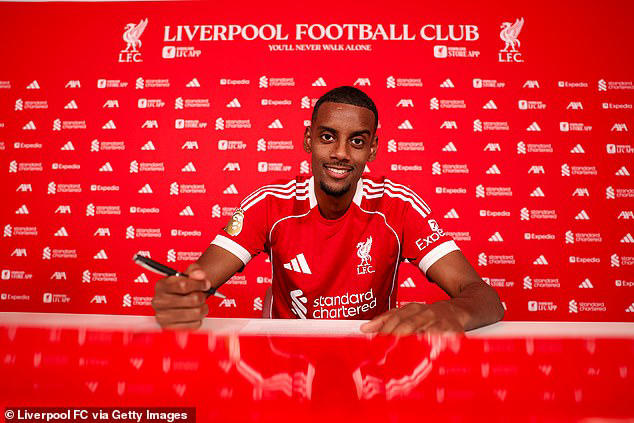
The 2025 summer transfer window shocked football fans around the world as Liverpool Football Club embarked on one of the most expensive squad rebuilds in Premier League history. With an estimated outlay of £450 million, the Reds secured a mix of marquee signings, emerging talents, and strategic reinforcements across all positions. For a club historically seen as careful with finances, this level of spending raised a critical question: how did Liverpool afford it?
Understanding the financial mechanics behind Liverpool’s historic spending spree requires a look into revenue streams, commercial growth, sponsorships, broadcasting rights, player sales, and financial regulations. This article explores the strategies and structural advantages that enabled Liverpool to invest heavily without breaching financial sustainability rules.
Liverpool’s Financial Evolution
Liverpool’s financial journey over the past decade has been transformative. Once considered behind Manchester United, Chelsea, and Manchester City in commercial might, the club leveraged its global fan base, successful on-pitch performances, and strategic ownership to establish a strong financial foundation.
- In 2010, Liverpool’s revenue was under £200 million annually.
- By 2024, Liverpool’s turnover had exceeded £700 million, placing them in the top five clubs globally.
- Major trophies such as the Premier League (2020), Champions League (2019), and domestic cups increased global visibility and commercial income.
The club’s financial growth created a foundation that made a record-breaking transfer window possible.
Revenue Streams Powering Liverpool’s Spending
Liverpool’s financial engine is powered by multiple revenue streams, each contributing significantly to the summer 2025 war chest.
Matchday Revenue
- Anfield’s expansion has boosted stadium capacity beyond 61,000 seats, adding millions in annual matchday revenue.
- Average ticket prices and VIP hospitality packages place Liverpool among the top five Premier League clubs in gate income.
- Annual matchday earnings now exceed £90 million.
Broadcasting Revenue
- Liverpool’s consistent qualification for the Champions League has ensured steady inflows of £100–120 million per season in broadcasting rights.
- Domestic TV rights from the Premier League provide an additional £160–170 million annually.
- Together, broadcasting forms nearly 50% of Liverpool’s revenue base.
Commercial Partnerships
Liverpool has become a global commercial powerhouse:
- Main shirt sponsor: Standard Chartered (deal worth over £50m per year).
- Kit supplier: Nike (multi-year deal including profit share on sales).
- Dozens of regional partnerships across Asia, the Middle East, and North America.
Commercial revenue has jumped from £154 million in 2017 to over £280 million by 2024.
Player Sales and Wages
Liverpool’s model often includes selling players at peak value. In the summer of 2025:
- Several high-profile departures raised over £180 million.
- Lower wage bills after releasing aging stars freed up space for new contracts.
This transfer philosophy balances spending with sustainability.
The Impact of FSG Ownership
Fenway Sports Group (FSG), Liverpool’s American owners, are known for cautious investment strategies. Historically, they avoided reckless spending seen at clubs backed by state wealth or billionaire owners.
However, FSG adapted by:
- Injecting capital through structured investment partners.
- Leveraging commercial loans backed by future revenues.
- Maintaining compliance with UEFA’s Financial Sustainability Rules (the replacement for Financial Fair Play).
In 2025, Liverpool also benefited from a private equity injection, which helped finance short-term liquidity needs for transfers.
Net Spend vs. Gross Spend
While the £450m gross spend looks massive, the net figure tells a different story.
| Category | Amount (£m) | Notes |
|---|---|---|
| Summer signings | 450 | Includes marquee forwards, midfielders, defenders |
| Player sales | 180 | Key departures plus fringe players |
| Net spend | 270 | More sustainable when viewed against revenue base |
| Annual revenue (2024/25) | 720 | Projected turnover |
| Wages-to-revenue ratio | 62% | Within UEFA limits (below 70%) |
This balance shows that Liverpool’s strategy was aggressive yet calculated.
Transfer Market Dynamics
Liverpool’s recruitment was not just about splashing cash—it was about carefully targeted investments.
- Marquee Signings: World-class forwards and midfielders to replace aging stars.
- Emerging Talents: Young players bought with resale value in mind.
- Squad Depth: Reinforcements across defense and goalkeeping.
The club also took advantage of the post-COVID financial reset, where many European clubs were willing to sell players below historic market values.
Compliance with Financial Rules
UEFA’s Financial Sustainability Regulations (FSR), introduced in 2023, allow clubs to spend up to 70% of revenue on wages, transfers, and agents’ fees.
Liverpool’s compliance strategy included:
- Reducing older contracts with high wages.
- Ensuring commercial growth outpaces costs.
- Using installment-based payments for transfers, spreading costs over several years.
For example, a £100m signing may only count as £20m annually if amortized across a five-year contract. This accounting technique makes massive spends look more manageable.
The Role of Debt and Investment
Contrary to belief, Liverpool’s spending wasn’t simply a cash outlay from owners. Instead, it involved structured financing.
- Revolving credit facilities with major banks.
- Revenue-backed loans tied to guaranteed future earnings.
- Partial equity stakes sold to institutional investors, providing liquidity.
This hybrid financing ensured compliance with regulations while enabling immediate transfer activity.
Comparing Liverpool with Rivals
Liverpool’s £450m spend must be understood in the context of the Premier League arms race.
| Club | Summer 2025 Spend (£m) | Key Drivers |
|---|---|---|
| Manchester City | 320 | Reinforcements, squad depth |
| Chelsea | 280 | Long-term rebuild continues |
| Arsenal | 250 | Youth investments, defensive reinforcements |
| Manchester Utd | 210 | Selective marquee signings |
| Liverpool | 450 | Full-scale rebuild, funded by commercial power |
Liverpool’s spending placed them ahead of all rivals, signaling a shift in financial competitiveness.
Sponsorship Growth and Global Market Expansion
One overlooked factor in Liverpool’s financial success is its aggressive expansion in global markets:
- Partnerships in Asia-Pacific, especially India and China.
- Sponsorship deals in North America, leveraging FSG’s U.S. sports network.
- Strategic focus on Middle Eastern sponsorships, tapping into high-value markets.
Liverpool’s kit sales, boosted by Nike’s global distribution, are estimated at over 2 million shirts annually, generating tens of millions in direct revenue.
The Stadium Effect
The redevelopment of Anfield has not only increased seating but also boosted corporate hospitality revenues.
- The new Anfield Road Stand adds thousands of premium seats.
- Hospitality packages bring in significantly more than regular tickets.
- Stadium naming rights discussions could provide another future windfall.
Liverpool’s long-term stadium strategy mirrors what Arsenal and Tottenham achieved with Emirates and Tottenham Hotspur Stadiums.
Long-Term Risks
While Liverpool’s £450m spending spree appears sustainable, it carries potential risks:
- Over-reliance on continuous Champions League qualification.
- Pressure to maintain commercial growth in a competitive global market.
- The risk of underperforming big-money signings.
- Increasing competition from state-backed clubs with near-unlimited resources.
However, Liverpool’s diversified financial base and disciplined ownership mitigate some of these risks.
The Bigger Picture
Liverpool’s summer of spending is not an isolated event but the culmination of:
- Years of financial discipline.
- Strategic growth in commercial partnerships.
- Careful balancing of player sales and recruitment.
- Leveraging modern financial tools to manage cash flow.
It represents a statement of intent from the club’s ownership: to keep Liverpool at the top of both English and European football.
Conclusion
Liverpool’s £450 million summer of spending was made possible through a blend of commercial strength, global fan engagement, disciplined ownership, and clever financial structuring. While the number appears eye-watering, it reflects a carefully planned strategy rather than reckless extravagance.
By leveraging their revenue growth, amortizing transfer costs, and staying within UEFA’s sustainability rules, Liverpool managed to invest in the future while maintaining financial health. Whether this gamble pays off will depend on on-field success, but one thing is clear: Liverpool have signaled they are ready to remain competitive at the highest level of football for years to come.






Leave a Reply